Dumpster Rental for a Bathroom Remodel in Hillsboro TX: What You Need to Know
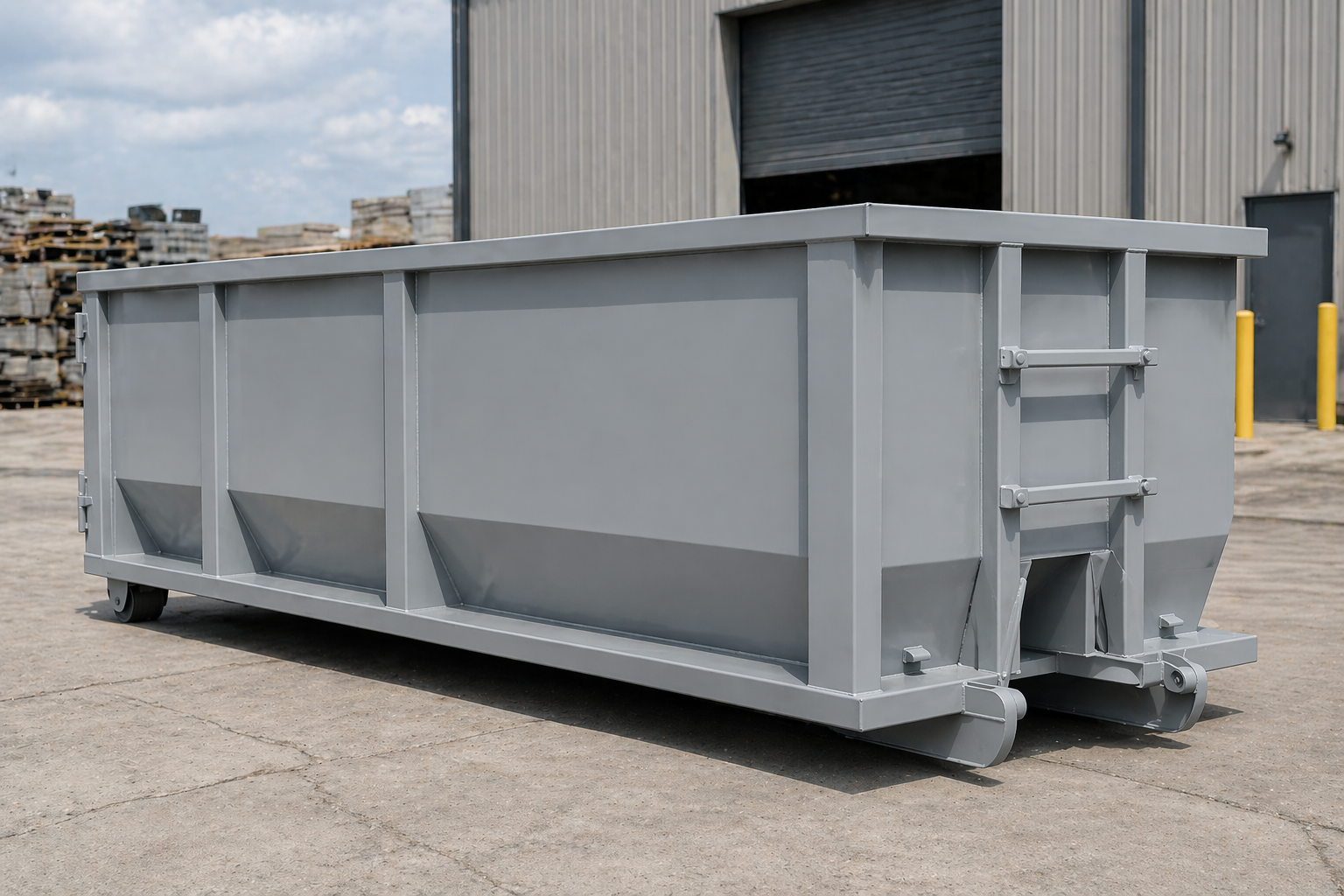
A 15-yard dumpster typically handles a single bathroom remodel in Hillsboro TX, while a 20-yard dumpster suits a master bath gut renovation or a project involving two bathrooms at once. Bathroom remodels generate tile, drywall, fixtures, and flooring debris, most of which is accepted in a standard roll-off dumpster. Rental periods of one to two weeks align with typical remodel timelines, with extensions available for projects that run longer than planned.
A bathroom remodel in Hillsboro TX rarely stays contained to the bathroom itself. Torn-out tile, old drywall, discarded fixtures, and worn flooring pile up fast, often surprising homeowners who expected a smaller mess than what actually accumulates. Even a modest single-bathroom update can produce several hundred pounds of debris by the time demolition wraps up, and larger gut renovations generate significantly more.
Dumpster rental for a bathroom remodel in Hillsboro TX solves this problem directly. A roll-off container placed on-site keeps debris contained, protects the property from repeated trips to a landfill, and gives contractors and homeowners a clear place to stage torn-out materials throughout the project. Without a dedicated container, debris tends to pile up in the garage, driveway, or yard, creating both a safety hazard and a logistical headache.
This guide covers how much debris a typical bathroom remodel generates, which materials belong in a dumpster, how to choose between a 15-yard and 20-yard container, where to place the dumpster on a Hillsboro TX property, and how to schedule delivery around a renovation timeline from start to finish.
How Much Debris Does a Bathroom Remodel Actually Generate?
Bathroom remodel debris volume depends heavily on project scope. A cosmetic refresh, such as swapping a vanity and re-tiling a shower surround, generates far less waste than a full gut renovation that strips the room down to the studs and subfloor.
Tile removal alone can produce 500 to 1,000 pounds of debris for an average-sized bathroom, since ceramic and porcelain are dense materials that add weight quickly. Drywall adds another 300 to 600 pounds depending on how much of the room gets torn out, with a full gut job removing every wall generating debris at the higher end of that range.
Vanities, toilets, tubs, and other fixtures contribute additional weight, often another 200 to 400 pounds combined. Subfloor replacement, common in remodels where water damage has occurred, adds plywood or OSB debris on top of everything else, which can push total project weight well past 1,500 pounds for a mid-sized bathroom.
Underestimating this volume creates mid-project problems. A container that fills up too early means work stops until a second dumpster arrives or a hauling trip gets arranged, both of which delay the renovation timeline and add unplanned cost. Sizing correctly from the start, based on an honest look at project scope, avoids this disruption entirely and keeps a bathroom remodel in Hillsboro TX moving on schedule.
Older homes throughout Hillsboro TX and the surrounding Hill County area sometimes add another layer to debris volume. Bathrooms built decades ago often hide extra material behind the walls, such as older tile installed directly over a previous layer, or plaster construction instead of standard drywall. Accounting for this possibility ahead of time, particularly in a historic property, helps avoid an undersized dumpster mid-project.
A simple way to estimate debris volume before demolition starts is to walk through the bathroom room by room and note every surface and fixture scheduled for removal. Counting square footage of tile, linear footage of drywall, and the number of fixtures being pulled gives a much clearer picture than guessing based on the size of the room alone.
What Materials From a Bathroom Remodel Can Go in a Dumpster?
Most materials removed during a bathroom remodel are accepted in a standard roll-off dumpster. This includes ceramic and porcelain tile, drywall, wood framing from removed walls or cabinetry, sinks, toilets, vanities, existing flooring such as vinyl or laminate, insulation, and metal fixtures like towel bars or shower hardware.
Dumpster for tile removal projects works well because tile debris, while heavy, is inert and poses no disposal complications. The same applies to drywall and wood framing, both common byproducts of gutting a bathroom down to the studs during a larger renovation.
Fixtures such as toilets, tubs, and vanities can go in the dumpster as well, though weight limits should be kept in mind since these items add up quickly. Cast iron tubs in particular carry significant weight on their own, sometimes 300 pounds or more before any additional debris gets added to the container.
Breaking large fixtures into smaller pieces before loading helps distribute weight more evenly across the container and makes better use of available space. A vanity cabinet, for example, comes apart more easily when disassembled rather than tossed in whole, leaving more room for tile and drywall debris.
Countertops made of natural stone, such as granite or marble, also fit in a standard roll-off dumpster, though their weight should factor into overall load planning since a single slab can weigh well over 100 pounds. Mirrors and glass shower enclosures are generally accepted as well, though wrapping sharp edges in cardboard or an old towel before loading reduces the risk of injury during the process.
Responsible disposal of construction and demolition debris, as outlined in EPA sustainable management of construction debris guidance on sustainable management of construction debris, supports better outcomes for landfill capacity and material recovery across Hill County and beyond.
What Cannot Go in the Dumpster
Certain materials require separate disposal regardless of dumpster size. Paint and paint thinner cannot go in a roll-off dumpster due to their chemical composition and the risk they pose during transport and disposal. Adhesives and caulks containing hazardous chemicals fall into the same category, along with certain sealants used around tubs and showers.
Batteries and fluorescent bulbs, sometimes removed during a bathroom remodel if updating lighting fixtures or exhaust fans, also require separate handling due to their mercury or lithium content.
Local hazardous waste drop-off programs in Hill County typically accept these materials at no charge or minimal cost. Checking with the City of Hillsboro TX official website before demolition begins helps identify the nearest drop-off location and avoids delays once the remodel is underway.
Which Dumpster Size Is Right for a Bathroom Remodel in Hillsboro TX?
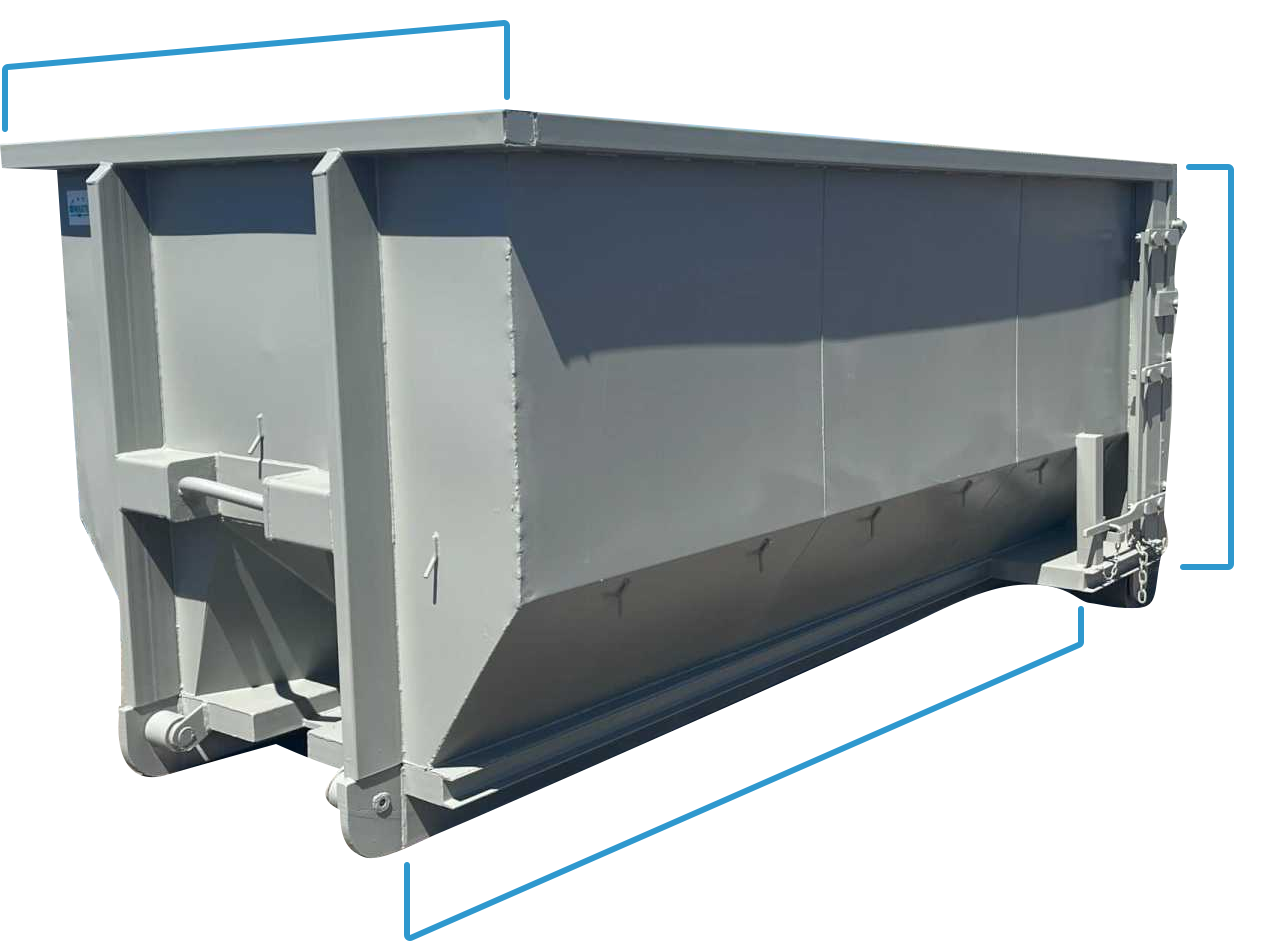
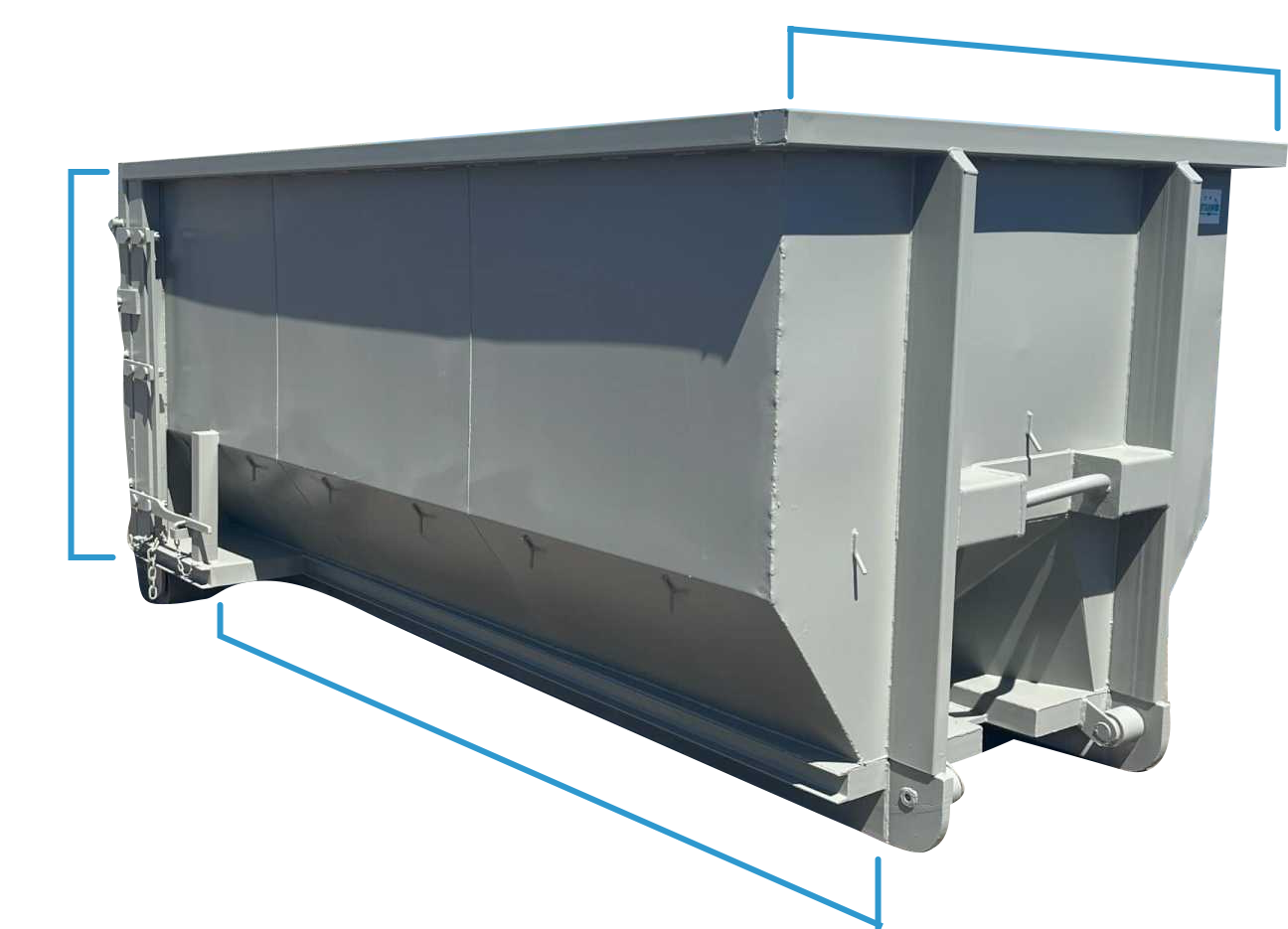
Bathroom remodel dumpster size selection generally comes down to two options for most residential projects: a 15-yard or 20-yard roll-off dumpster. Choosing the right dumpster size depends on the scope of work, the number of fixtures being replaced, and whether flooring extends beyond the bathroom itself.
A 15-yard dumpster suits a single bathroom undergoing a cosmetic remodel, such as new tile, a vanity swap, and updated fixtures. This size holds roughly three to four pickup truck loads of debris, which covers most standard bathroom projects in Hillsboro TX without running out of room partway through.
A 20-yard dumpster becomes the better choice for a master bath gut renovation, a project involving two bathrooms at once, or a remodel that includes flooring replacement throughout an adjoining hallway or closet space. The extra capacity accounts for the added tile, drywall, and subfloor material that comes with a larger scope of work.
Roll off dumpster Hillsboro TX rental pricing typically reflects this size difference, with the larger container costing more upfront but preventing the added cost and delay of a second haul partway through the project. Homeowners unsure of which size fits their project can review dumpster rental in Hillsboro TX options or speak with a rental provider directly before booking to confirm the right fit for their specific remodel.
Contractors managing multiple bathroom projects across McLennan County and Hill County often default to a 20-yard dumpster regardless of scope, since the added flexibility reduces the chance of running short on capacity across different job sites. Homeowners tackling a single, well-defined remodel typically save money by matching container size closely to the actual project rather than defaulting to the largest option available.
Where to Place the Dumpster on a Hillsboro TX Property
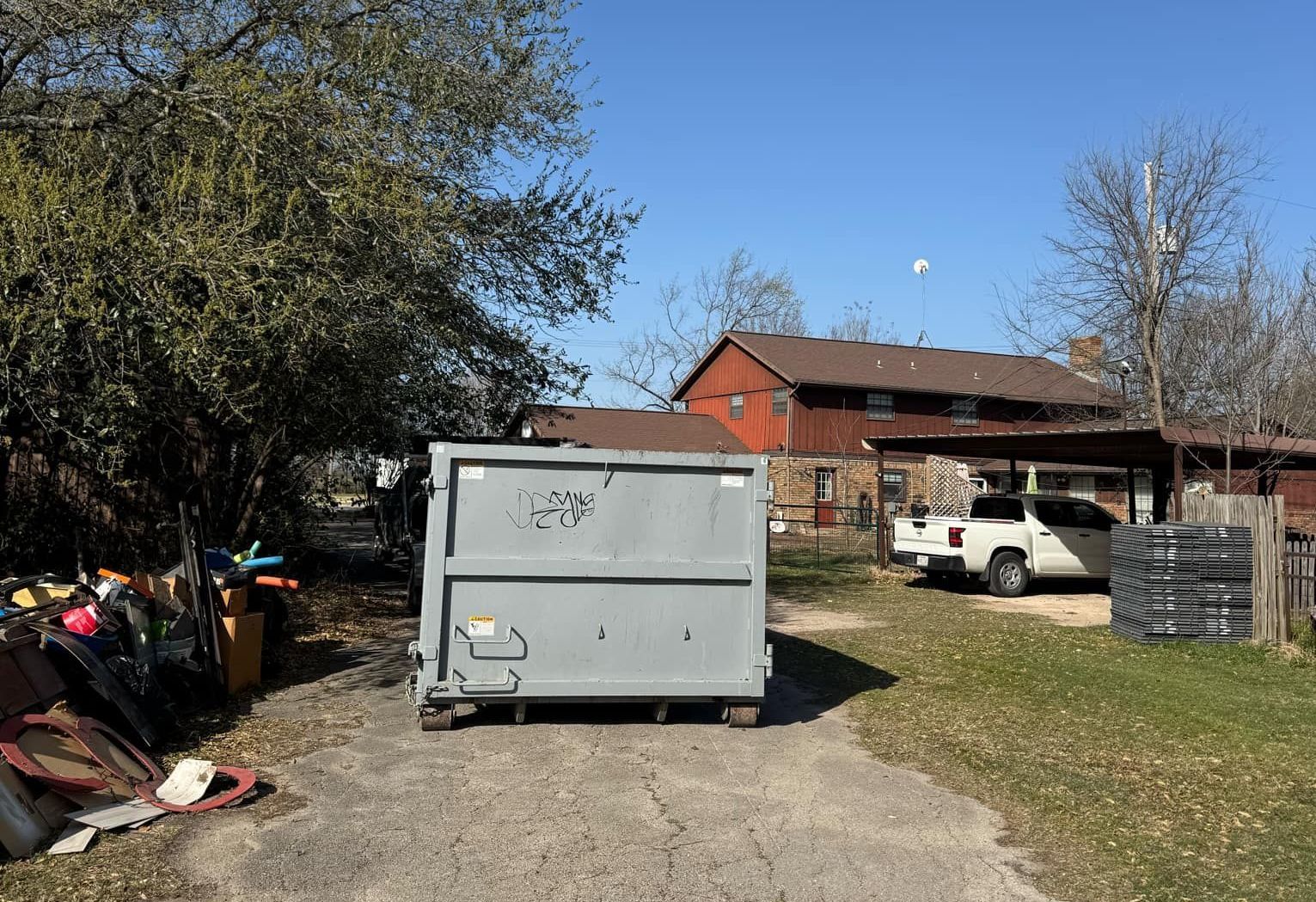
Driveway placement works best for most residential bathroom remodels in Hillsboro TX, since it offers a flat, stable surface and easy truck access for delivery and pickup. Placing wood boards or protective pads beneath the container prevents cracking or staining on concrete or asphalt driveways.
Truck access from the street matters as much as the placement spot itself. Roll-off trucks need a clear, straight path to back into position, so trimming overhanging branches or moving parked vehicles ahead of delivery day speeds up the process considerably.
Rural properties throughout Hill County sometimes present additional considerations, such as gravel driveways or longer distances from the road. Confirming ground stability and clearance with the rental provider before delivery helps avoid scheduling issues on delivery day.
Contractors working on a Hillsboro TX bathroom remodel should confirm licensing status is current with the Texas Department of Licensing and Regulation, particularly for plumbing or electrical work tied to the renovation. Reliable roll-off dumpsters for homeowners and contractors make it easier to keep a job site organized throughout a multi-day remodel, regardless of who is managing the project.
Homeowners without a driveway option, or those completing an addition alongside the bathroom remodel, sometimes place the dumpster on a section of lawn instead. This works when the ground is firm and level, though placing plywood sheets underneath helps prevent the container from sinking into softer soil, particularly after recent rainfall common in Central Texas.
Coordinating Dumpster Delivery With Your Remodel Schedule
Scheduling delivery a day or two before demolition begins gives contractors and homeowners a place to stage debris from the very first day of teardown. This timing avoids a backlog of torn-out materials sitting in a driveway or yard while waiting on the dumpster to arrive.
Phased debris removal works well for bathroom remodels that stretch across multiple weeks. Demolition debris fills the container first, followed by installation-related waste such as packaging and material offcuts later in the project. Spacing out loading this way keeps the dumpster from filling prematurely before installation work even begins.
Rental extension options exist for projects that run longer than expected, which happens often with bathroom remodels once plumbing or electrical issues surface behind the walls. Confirming extension pricing and availability at the time of booking prevents surprises if the timeline shifts partway through the renovation.
Weather also plays a role in scheduling around Hillsboro TX, since heavy rain can make driveway placement less practical for a day or two. Building a small buffer into the delivery date helps avoid conflicts with demolition day if conditions change unexpectedly.
Coordinating with a contractor's broader schedule matters too, especially when a plumber or electrician needs access to the same workspace at a different stage of the project. Confirming that the dumpster stays clear of doorways and work zones used by other trades keeps the job site running efficiently from demolition through final inspection.
Tips for Loading Bathroom Remodel Debris Efficiently
Heavy items such as tile and concrete backer board belong on the bottom of the dumpster. Loading these first creates a stable base and prevents lighter materials from getting crushed unevenly as more debris gets added throughout the project.
Flat items like drywall sheets stack efficiently on top of heavier debris, filling gaps that would otherwise waste space. Breaking down large pieces, including cabinet sections or vanity tops, before loading also makes better use of available room inside the container.
Distributing weight evenly across the container, rather than piling debris high in one corner, keeps the dumpster balanced and easier for the hauling truck to lift safely during pickup.
Overfilling above the fill line creates problems during pickup, since trucks cannot safely transport a dumpster with debris piled above its rim. Keeping loads level and within the marked fill line, even if that means arranging a second pickup for a large gut renovation, keeps the removal process running smoothly from start to finish.
Loading debris as work progresses, rather than letting it accumulate in a pile beside the container until the end of the day, also makes the process easier. Debris that sits too long before loading tends to get mixed together, making it harder to break down large pieces efficiently once several days of material has piled up.
Frequently Asked Questions About Bathroom Remodel Dumpsters in Hillsboro TX
Is a 15-yard dumpster enough for one bathroom?
A 15-yard dumpster is enough for one bathroom in most cosmetic remodel situations, including tile replacement, a vanity swap, and fixture updates. Full gut renovations involving subfloor removal or work on two bathrooms simultaneously typically call for a 20-yard container instead, since the added debris volume from framing and flooring work quickly exceeds what a smaller container can hold.
Can I put a toilet or bathtub in a dumpster?
Toilets and bathtubs can go in a roll-off dumpster without issue. Both items are heavy, so breaking a cast iron tub into smaller sections beforehand, where safely possible, helps manage weight distribution and leaves more room for additional debris. Fiberglass or acrylic tubs are lighter and typically go in whole without requiring extra preparation.
How long should I keep the dumpster?
Most bathroom remodels run one to two weeks from demolition through installation, which aligns with standard rental periods. Projects that hit delays, such as unexpected plumbing repairs discovered once walls come down, can extend the rental for an additional fee. Confirming the standard rental window and extension cost at booking helps set expectations before the project begins, avoiding surprise charges partway through the remodel.
Conclusion
Planning a bathroom remodel in Hillsboro TX comes with more debris than most homeowners expect, but a properly sized roll-off dumpster keeps the project organized from demolition through final installation. Tile, drywall, fixtures, and flooring can all go in the container, while paint, hazardous adhesives, and batteries require separate disposal through local programs.
Choosing between a 15-yard and 20-yard dumpster depends on project scope, with larger gut renovations and dual-bathroom projects calling for the bigger option. Proper placement on the property, combined with delivery timed around the renovation schedule, keeps the worksite clear and the project moving without interruption.
Loading debris efficiently, with heavy materials on the bottom and flat materials stacked on top, makes the most of the available space and avoids the need for a second pickup partway through the remodel.
Renting a dumpster remains the simplest way to keep a Hillsboro TX bathroom remodel clean, safe, and on schedule from start to finish. Call 254-384-0016 or visit our website to book a 15-yard or 20-yard dumpster for an upcoming bathroom remodel project.